Pier Installation in Topeka, KS
Permanent Foundation Support Solutions for Settling and Sinking Foundations
Call (785) 706-4425 for Free InspectionWhat Is Pier Installation?
Pier installation is a permanent foundation repair solution that transfers the weight of your home from unstable soil to deep, load-bearing strata. When the soil beneath your foundation settles, shifts, or erodes, your home loses critical support, leading to cracks, uneven floors, and structural damage. Foundation piers restore stability by anchoring your foundation to solid bedrock or competent soil layers far below the surface.
At Flint Hills Foundation, we specialize in professional pier installation throughout Topeka and the surrounding Kansas areas. Our Licensed and Insured technicians use industry-leading pier systems to lift and stabilize settling foundations, preventing further damage and protecting your property value. Whether your home is experiencing minor settlement or severe foundation failure, pier installation provides a long-lasting solution that addresses the root cause of the problem.
Foundation piers are engineered to support the enormous weight of residential and commercial structures. Once installed, they become a permanent part of your foundation system, providing reliable support for decades to come. Unlike temporary fixes that only treat surface symptoms, pier installation corrects the underlying structural issues and prevents future settlement.
Types of Foundation Piers
Not all foundation pier systems are created equal. At Flint Hills Foundation, we offer two primary types of foundation piers, each designed for specific soil conditions and structural requirements. Our foundation experts will assess your property and recommend the best pier system for your unique situation.
Steel Push Piers
Steel push piers, also called resistance piers or hydraulic piers, are driven deep into the ground using the weight of your home as resistance. These heavy-duty steel sections are hydraulically pushed through unstable soil layers until they reach load-bearing strata or bedrock. Once the piers reach competent soil, hydraulic lifting equipment is used to raise the foundation back to its original level.
Steel push piers are ideal for foundations that have already settled significantly. They work exceptionally well in Topeka's clay-rich soils, which are prone to expansion and contraction with seasonal moisture changes. The installation process is relatively quick and minimally invasive, with most residential projects completed in just a few days. Steel push piers can support tremendous loads and are warranted to provide permanent stabilization.
These piers are installed around the perimeter of your foundation at strategic locations where settlement is occurring. The steel components are hot-dip galvanized for corrosion resistance, ensuring they will perform reliably for the life of your structure. Because they use your home's weight for installation, no predrilling is required, and the piers automatically stop when they reach suitable bearing capacity.
Helical Piers
Helical piers, also known as screw piers or anchors, feature steel shafts with helical bearing plates that are mechanically screwed into the ground. These piers work like giant screws, with the helical plates providing excellent load distribution as they rotate through the soil. Helical piers are advanced into the ground using specialized hydraulic equipment that monitors torque resistance to verify proper installation depth.
Helical pier systems are particularly effective for lighter structures, new construction projects, and situations where the depth to competent soil is well-known. They excel in stabilizing additions, porches, chimneys, and deck foundations, but can also support entire homes when properly engineered. The helical plates compress the surrounding soil as they are installed, creating a strong friction bond that resists both compression and tension forces.
One advantage of helical piers is their versatility. They can be installed at angles to reach stable soil and can be used in areas with limited access where heavy equipment cannot operate. Helical piers are also immediately load-bearing, meaning no curing time is required before they can support structural weight. This makes them an excellent choice for projects with tight timelines or where minimal disruption is essential.
The Pier Installation Process
Foundation pier installation is a precise engineering process that requires specialized equipment and extensive expertise. At Flint Hills Foundation, our certified installation crews follow a proven methodology to ensure every pier system is installed correctly and performs as designed. Here's what you can expect during a typical pier installation project:
- 1
Foundation Assessment
Our Licensed and Insured foundation specialists conduct a comprehensive inspection of your property to identify all areas of settlement and structural damage. We use laser levels and specialized measurement tools to document the extent of foundation movement and determine the optimal pier placement locations. Soil conditions, structural loads, and access constraints are all factored into our engineering analysis.
- 2
Excavation
Small excavations are carefully dug at each pier location to expose the foundation footer. These excavations are typically only 3-4 feet wide and are positioned to minimize disruption to your landscaping. Our crews take care to protect your property throughout the excavation process, and all soil is neatly stockpiled for later backfilling.
- 3
Pier Installation
Depending on the pier system selected, our technicians either hydraulically push steel pier sections into the ground or mechanically advance helical piers through the soil. For push piers, sections are added sequentially until the pier reaches refusal at competent bearing strata. For helical piers, torque is continuously monitored to ensure proper depth and capacity. This is the most critical phase of the installation process.
- 4
Foundation Lifting
Once all piers are installed, synchronized hydraulic jacks are positioned on the pier brackets. The foundation is then carefully lifted to achieve maximum practical recovery. Our technicians monitor the lifting process closely to prevent over-correction while bringing your foundation back toward level. In many cases, significant settlement can be reversed, and cracks may close as the foundation is raised.
- 5
Final Securing and Backfill
After the desired lift is achieved, the pier brackets are permanently secured to the foundation footer. Hydraulic pressure is transferred to the pier system, and jacks are removed. The excavations are then backfilled with the original soil, tamped in layers to prevent future settling. The work area is cleaned, and your property is restored to its original condition. You're left with a permanently stabilized foundation and peace of mind knowing your home is secure.
When Your Home Needs Pier Installation
Foundation pier installation is not required for every foundation issue, but it is the gold standard solution for settlement problems. Recognizing the warning signs of foundation settlement early can save you thousands of dollars in repair costs and prevent catastrophic structural failure. Here are the most common indicators that your Topeka home may need foundation piers:
Visible Foundation Cracks
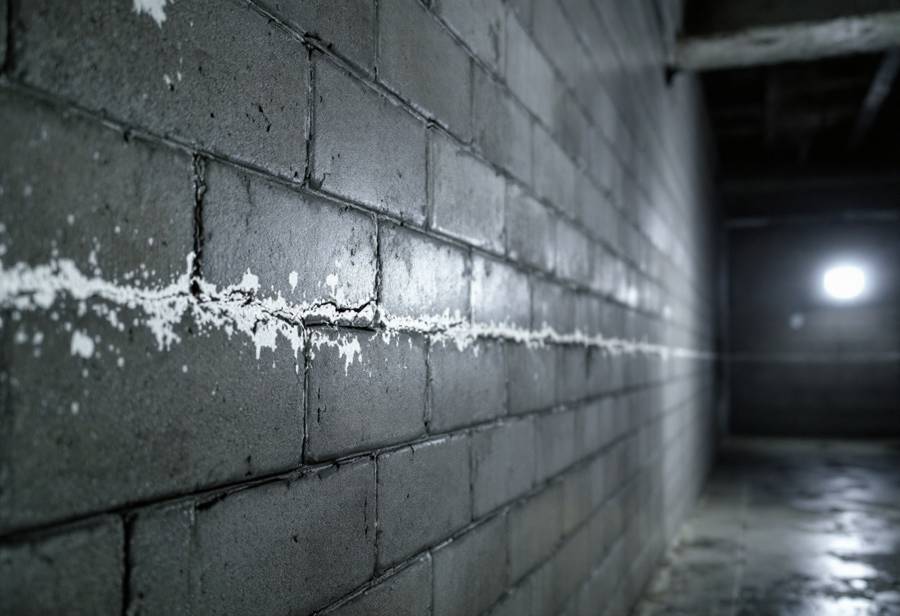
Horizontal cracks in basement walls, stair-step cracks in brick or block foundations, and vertical cracks wider than 1/4 inch all suggest serious settlement. When cracks continue to grow despite previous repair attempts, pier installation is often the only permanent solution. Foundation movement will continue until the structure is properly supported on stable soil.
Uneven or Sloping Floors
If you can roll a ball across your floor and watch it accelerate toward one side of the room, your foundation has settled. Sloping floors indicate that one section of your foundation is sinking faster than others. This differential settlement puts enormous stress on your home's structure and will worsen over time without intervention. Pier installation can level the foundation and stop further movement.
Doors and Windows That Stick
When foundations settle unevenly, door and window frames become distorted. You may notice that doors won't close properly, windows are difficult to open, or gaps appear around door frames. These symptoms indicate your foundation has moved enough to affect your home's framing. While minor settlement might not require piers, progressive or severe symptoms certainly do.
Separation Between Walls and Ceilings or Floors
Visible gaps where interior walls meet ceilings or floors are a red flag for foundation problems. Exterior brick or siding that is pulling away from the house frame is even more concerning. These separations occur when different parts of your structure settle at different rates. Foundation piers can stabilize the settling areas and prevent further separation.
Chimney Leaning or Tilting
Chimneys are heavy and often built on separate footers from the main foundation. If your chimney is leaning, tilting, or separating from your house, it is sinking into unstable soil. This is both a safety hazard and a sign that your soil conditions may also be affecting your main foundation. Helical piers are particularly effective for stabilizing sinking chimneys.
If you're experiencing any of these warning signs, don't wait for the problem to get worse. Contact Flint Hills Foundation at (785) 706-4425 for a free foundation inspection. Our experts will assess your situation and provide honest recommendations about whether pier installation is necessary for your home.
Frequently Asked Questions About Pier Installation
How long does pier installation take?
Most residential pier installation projects are completed in 2-5 days, depending on the number of piers required and site accessibility. Simple projects with only a few piers may be finished in just one or two days, while larger homes with extensive settlement can take up to a week. Weather conditions and unforeseen soil complications can affect the timeline, but our crews work efficiently to minimize disruption to your daily routine. The actual installation of each pier typically takes only 1-2 hours, but excavation, lifting, and restoration add to the overall project duration.
Will pier installation damage my landscaping?
Pier installation does require small excavations around your foundation, but we take every precaution to minimize landscape damage. Each excavation site is typically only 3-4 feet wide, and we carefully remove and preserve sod and plantings whenever possible. After the piers are installed and the excavations are backfilled, we restore the area to match the surrounding landscape. Most lawn areas recover quickly, and any minor disturbance is barely noticeable within a few weeks. Our crews are trained to respect your property and will work with you to protect valuable landscaping features.
How much does foundation pier installation cost in Topeka?
Cost depends on how many piers your home needs, how deep crews must dig to reach stable soil, site accessibility, and whether you use steel push piers or helical piers. Homeowners in Topeka typically pay $1,500 to $3,000 per pier, and most residential projects need 6-15 piers, putting a full-home installation between $10,000 and $30,000. Beyond home foundations, helical piers also work for decks, porches, additions, and other smaller structures, which usually need fewer piers and cost less than a whole-house job. Compared to letting foundation damage worsen until a home becomes unsafe or unsellable, pier installation is the more affordable path. Flint Hills Foundation provides free inspections and detailed written estimates with no obligation, plus financing options to help homeowners across Kansas manage this repair.
Protect Your Home with Professional Pier Installation
Don't let foundation settlement compromise your home's safety and value. Flint Hills Foundation has the experience, equipment, and expertise to stabilize your foundation permanently. Our Licensed and Insured team serves Topeka and all of Shawnee County with honest assessments and quality workmanship.
Call (785) 706-4425 today for your free foundation inspection and pier installation estimate.