Foundation Crack Repair in Topeka, KS
Expert crack repair for basement walls, foundation walls, and concrete slabs. Epoxy injection, polyurethane foam sealing, and carbon fiber reinforcement. Licensed and insured with a lifetime warranty.
Types of Foundation Cracks
Not all foundation cracks are created equal. Understanding the type of crack in your Topeka home's foundation is the first step toward determining how serious the problem is and what kind of repair is needed. Cracks fall into several categories based on their direction, width, location, and the forces that caused them. Each type tells a different story about what is happening to the soil and structure beneath your home.
Vertical cracks are the most common type found in Topeka basements. These run straight up and down or at a slight angle and are typically caused by concrete shrinkage as the foundation cures, or by minor settling. Most vertical cracks in poured concrete walls are not structurally threatening, but they are a primary entry point for water. In a climate like Topeka's where spring rains are heavy and sustained, even a narrow vertical crack can let significant water into your basement over time. These cracks are straightforward to repair with injection methods and should be addressed before they allow moisture damage to develop.
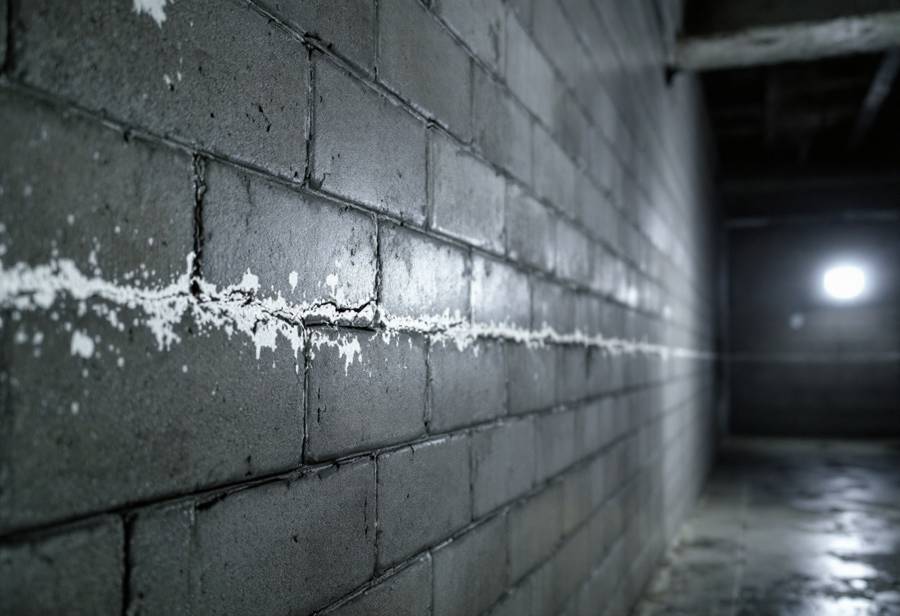
Horizontal cracks are far more serious and require immediate professional attention. These occur when the soil outside your foundation wall exerts lateral pressure that exceeds the wall's strength, causing it to bow inward. In Topeka, horizontal cracks are most often found in concrete block and poured concrete basement walls where the expansive clay soil swells dramatically during wet seasons. A horizontal crack, especially one accompanied by visible wall bowing, indicates a structural problem that will worsen without intervention. If you see a horizontal crack in your Topeka basement, call for an inspection right away.
Stair-step cracks appear in block and brick foundations, following the mortar joints in a diagonal pattern that resembles a staircase. These are caused by differential settling, where one section of the foundation sinks faster than another due to uneven soil conditions. Stair-step cracks are common in older Topeka homes, particularly in areas where the original soil was not properly compacted before construction. Diagonal cracks at 45-degree angles in poured concrete walls indicate similar settling forces. Both stair-step and diagonal cracks can range from cosmetic to structurally significant depending on their width and whether they are actively growing.
Our Crack Repair Process
Flint Hills Foundation uses professional-grade crack repair methods that provide permanent, waterproof seals and restore structural integrity where needed. The right method depends on the type of crack, its cause, and whether the crack is simply leaking water or represents a structural concern. During our free inspection, we evaluate every crack in your Topeka home's foundation and recommend the most effective and appropriate repair approach.
Epoxy injection is our preferred method for structural cracks or cracks that require a rigid, load-bearing repair. Structural epoxy is significantly stronger than the concrete itself, effectively welding the crack shut and restoring the wall to its original structural capacity. Epoxy injection is ideal for cracks caused by settling or impact damage where structural performance matters. We use slow-curing, high-strength epoxy that penetrates the full depth of the crack before hardening. This method involves installing injection ports along the length of the crack, then pumping epoxy resin under controlled pressure to fill the crack completely from back to front.
For non-structural cracks that are leaking water, we use low-pressure polyurethane foam injection. This method involves installing injection ports along the length of the crack, then pumping flexible polyurethane resin into the crack from the interior side of the wall. The resin expands as it cures, filling the entire crack from front to back and top to bottom, creating a waterproof seal that remains flexible enough to accommodate the minor concrete movement caused by Topeka's temperature fluctuations. Polyurethane injection is ideal for vertical and diagonal cracks in poured concrete walls and can be completed in a few hours with no excavation required.
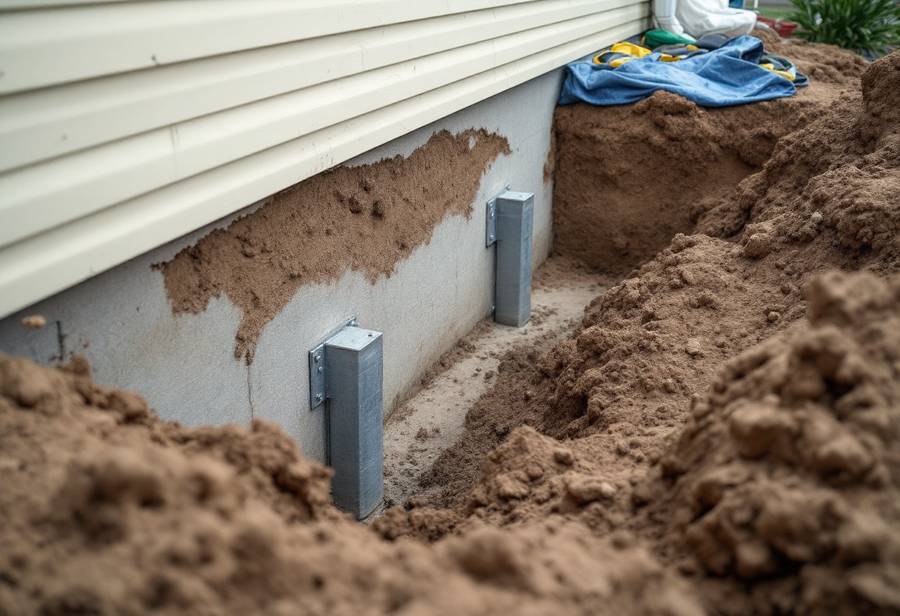
For bowing or buckling walls with horizontal cracks, crack injection alone is not sufficient. In these cases, Flint Hills Foundation installs carbon fiber reinforcement strips or steel wall anchors to stabilize the wall and prevent further inward movement. Carbon fiber strips are bonded to the interior wall surface with structural epoxy, creating an incredibly strong reinforcement that holds the wall in place without taking up any usable basement space. For more severe bowing, steel wall anchors are installed through the basement wall and anchored into stable soil outside the foundation, providing the strength to halt wall movement and, with periodic tightening, gradually straighten the wall over time.
Every crack repair project begins with a thorough inspection and evaluation. We measure crack width, check for wall displacement, assess whether the crack is active or stable, and determine the underlying cause. This detailed assessment ensures we select the right repair method for your specific situation. All our crack repairs are backed by a transferable lifetime warranty that covers both materials and workmanship, giving you complete peace of mind that the repair will last.
When Cracks Indicate Structural Damage
Every homeowner in Topeka will see a crack in their foundation at some point. Concrete cracks. It is a natural characteristic of the material, and not every crack signals a serious problem. The key is knowing which cracks are cosmetic nuisances and which are warning signs of structural failure that demand immediate attention. Several factors help you distinguish between the two.
Width is the most straightforward indicator. Hairline cracks less than one-sixteenth of an inch wide are almost always the result of normal concrete shrinkage and are not structurally concerning, though they can still leak water. Cracks wider than one-eighth of an inch deserve professional evaluation, and any crack wider than a quarter inch should be inspected immediately. In Topeka's climate, cracks that appear narrow in summer can widen significantly in winter as the soil freezes and expands, so a crack that looks minor today may be a bigger problem by spring.
Direction and pattern matter just as much as width. Horizontal cracks indicate lateral soil pressure and are almost always structural. Diagonal cracks suggest differential settling that may be ongoing. Multiple cracks in the same wall or cracks that appear to be growing over time are signs that the underlying cause has not stabilized. If you place a pencil mark at the end of a crack and find it has extended beyond the mark a few months later, the crack is active and the problem is getting worse. Stair-step cracks in block walls that are accompanied by wall lean or displacement at the mortar joints are particularly urgent in Topeka homes with older block foundations.
Context is also important. A single vertical shrinkage crack in an otherwise solid wall is very different from a vertical crack that is accompanied by sticking doors upstairs, uneven floors, or gaps between the wall and ceiling. When foundation cracks appear alongside these secondary symptoms, they are part of a larger settling or structural movement pattern that needs comprehensive evaluation. Flint Hills Foundation provides free crack inspections that include measuring crack width, checking for wall displacement, assessing floor levelness, and monitoring for ongoing movement. We give you an honest assessment of what is happening and what, if anything, needs to be done.
Preventing Future Cracks
While professional crack repair restores your foundation to sound condition, preventing future cracks requires addressing the underlying causes that created the original damage. Water is the primary enemy of foundations in Topeka. Proper drainage around your home keeps soil moisture levels stable, reducing the expansion and contraction cycles that stress foundation walls and create cracks.
Start with your gutters and downspouts. Clogged or damaged gutters dump thousands of gallons of water directly against your foundation during heavy rains. Clean gutters at least twice per year, and ensure downspout extensions carry water at least six feet away from the foundation. Consider installing underground drain pipes that route downspout water even farther from your home. This simple maintenance prevents the soil saturation that causes hydrostatic pressure and foundation movement.
Grading around your foundation should slope away from the house at a rate of at least six inches over the first ten feet. Over time, soil settles and grading can reverse, creating low spots that collect water against your foundation. Add soil as needed to maintain positive drainage, and never pile mulch or soil above the foundation sill plate, as this creates a pathway for water intrusion and conceals the foundation from inspection.
Interior humidity control also plays a role in foundation health. Use dehumidifiers in basements during humid Topeka summers to reduce moisture levels that can weaken concrete and promote efflorescence. Ensure your sump pump is functioning properly and that the discharge line carries water well away from the foundation. Address plumbing leaks promptly, as even small drips can saturate soil over time and create the conditions for foundation movement and cracking.
Regular inspections catch small problems before they become major repairs. Walk around your foundation twice per year, looking for new cracks, changes in existing cracks, or signs of water intrusion. Inside your basement, monitor for new cracks, changes in floor level, or doors and windows that suddenly stick. Flint Hills Foundation offers free annual inspections for homeowners who have had repair work completed, ensuring your foundation remains stable for decades to come.
Foundation Crack Repair FAQ
Common questions about foundation crack repair in Topeka, KS.
How much does foundation crack repair cost in Topeka?
Foundation crack repair in Topeka typically costs between $500 and $1,500 per crack for injection repairs. Polyurethane foam injection for a standard vertical wall crack usually runs $500 to $800. Epoxy injection for structural cracks costs $700 to $1,500 depending on length and complexity. Carbon fiber wall reinforcement for bowing walls ranges from $3,000 to $8,000 depending on the number of strips needed. We provide a free inspection and written estimate before any work begins so you know exactly what to expect.
Can I fix a foundation crack myself with store-bought products?
DIY crack repair kits sold at hardware stores use surface-applied sealants or low-quality injection resins that rarely provide a lasting solution. These products typically seal only the surface of the crack, leaving the interior open to continued water flow and expansion. In Topeka's freeze-thaw climate, surface patches often fail within one to two seasons. Professional crack injection fills the entire crack from front to back with commercial-grade resin, providing a permanent repair backed by a warranty. For any crack that is leaking water or wider than a hairline, professional repair is strongly recommended.
Are foundation cracks covered by homeowners insurance in Kansas?
Standard homeowners insurance in Kansas generally does not cover foundation cracks caused by settling, soil movement, or normal wear and aging. However, if a crack results from a sudden, covered event such as a plumbing failure that causes unexpected water damage to the foundation, your policy may provide partial coverage. We recommend reviewing your specific policy and can provide the documentation and photos needed to support a claim if your situation qualifies for coverage.
Get Your Foundation Cracks Inspected for Free
Not sure if your cracks are serious? Call now for a free professional inspection with a detailed written report and honest recommendations.