Concrete Leveling in Topeka, KS
Fast, Affordable Concrete Lifting for Driveways, Sidewalks, Patios, and More
Call (785) 706-4425 for Free QuoteWhy Concrete Settles in Topeka
Concrete settlement is one of the most common property maintenance issues affecting homeowners and businesses throughout Topeka and the surrounding Kansas areas. If you have a driveway that slopes toward your garage, a sidewalk with uneven sections that create tripping hazards, or a patio that has pulled away from your home's foundation, you are experiencing the effects of soil movement beneath your concrete slabs.
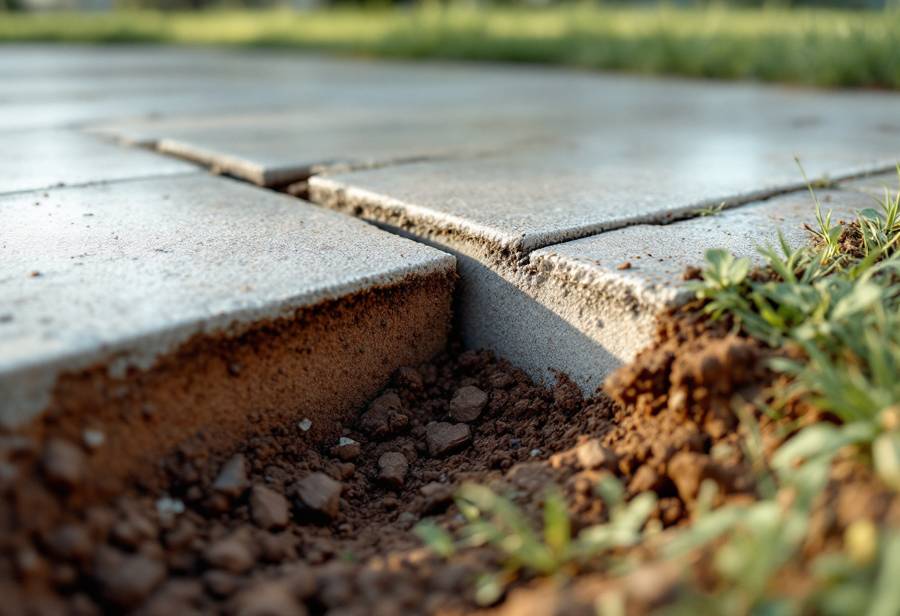
Understanding why concrete settles is essential for choosing the right repair solution and preventing future problems. The primary culprit is soil erosion and consolidation beneath the slab. When concrete is first poured, it rests on graded soil or fill material. Over time, this soil can wash away due to rain, settle naturally as it compacts under the weight of the concrete, or be displaced by tree roots and underground water movement. As the supporting soil disappears or shifts, voids form beneath the slab, and the concrete above begins to sink into these empty spaces.
Topeka's climate and soil conditions make concrete settlement particularly problematic. The region's expansive clay soils absorb moisture during wet periods and swell, then shrink during dry spells. This constant expansion and contraction creates movement beneath concrete slabs, accelerating the formation of voids. Heavy rainfall and seasonal storms wash fine soil particles out from under slabs through a process called soil erosion. Poor drainage around driveways, sidewalks, and patios exacerbates the problem by directing water beneath the concrete rather than away from it.
Freeze-thaw cycles during Kansas winters also contribute to concrete settlement. When water seeps beneath a slab and freezes, it expands and lifts the concrete. When temperatures rise and the ice melts, the slab settles back down, but often not to its original position. Over many freeze-thaw cycles, this gradual displacement accumulates, leaving slabs noticeably uneven. Additionally, poorly compacted fill soil, especially around new construction or utility trenches, will naturally consolidate over time, causing any concrete poured on top to settle as the soil beneath compresses.
Ignoring sunken concrete is not just a cosmetic issue. Uneven sidewalks and driveways create serious trip-and-fall hazards that can lead to injuries and liability concerns. Settled concrete near your foundation can direct water toward your home, increasing the risk of basement flooding and foundation damage. And sunken slabs reduce your property's curb appeal and resale value. Fortunately, modern concrete leveling techniques make it possible to restore settled concrete quickly, affordably, and permanently without the need for expensive replacement.
Mudjacking vs. Polyurethane Foam Leveling
When it comes to lifting and leveling sunken concrete, there are two primary methods available: traditional mudjacking and modern polyurethane foam injection. Both techniques work by pumping material beneath the slab to fill voids and lift the concrete back to its original level. However, the materials, processes, and results differ significantly. Understanding the advantages and limitations of each method will help you make an informed decision about which approach is best for your Topeka property.
Traditional Mudjacking
Mudjacking, also called slabjacking or concrete lifting, has been used for decades to raise sunken concrete. The process involves drilling large holes, typically 1.5 to 2 inches in diameter, through the settled slab at strategic locations. A thick slurry mixture of water, soil, sand, and cement is then pumped through these holes into the void space beneath the concrete. As the slurry fills the voids, it creates pressure that lifts the slab back toward its original elevation. Once the desired height is achieved, the injection holes are patched with concrete.
Mudjacking is effective for filling large voids and is generally less expensive than polyurethane foam leveling in terms of upfront material costs. The mud mixture is heavy and dense, which means it stays in place once injected and does not migrate through the soil. For very large commercial applications or situations where budget is the primary concern, mudjacking can be a viable option.
However, mudjacking has several significant drawbacks that have led many contractors and homeowners to prefer modern alternatives. The slurry mixture is extremely heavy, often adding hundreds of pounds of weight to the soil beneath the slab. In areas like Topeka with soft or unstable soils, this added weight can actually cause the concrete to settle again over time. The large injection holes required for mudjacking are also more noticeable and can be difficult to match aesthetically with the existing concrete surface.
Additionally, mudjacking takes much longer to cure than foam injection. The slurry must dry and harden before the concrete can support normal loads, which means driveways and walkways may be unusable for 24 to 48 hours after the work is completed. The mixture is also porous and can wash out over time if water infiltrates beneath the slab, leading to repeated settlement. And because mudjacking requires bulky pumping equipment, access to tight spaces or areas with limited clearance can be challenging.
Polyurethane Foam Injection
Polyurethane foam injection, also known as polyjacking or foam leveling, is a modern concrete lifting technique that addresses many of the shortcomings of traditional mudjacking. The process begins by drilling small, penny-sized holes through the sunken concrete slab. A two-part polyurethane foam is then injected through these holes using specialized equipment. Once injected, the foam expands rapidly to fill voids, compact loose soil, and generate enough lifting force to raise the concrete slab.
One of the greatest advantages of polyurethane foam is its incredibly light weight. The cured foam weighs only about 2 to 4 pounds per cubic foot, compared to the 100+ pounds per cubic foot of traditional mud slurry. This means the foam adds virtually no additional load to the underlying soil, eliminating the risk of re-settlement due to the weight of the repair material itself. This is especially important in Topeka's clay soils, which are prone to compression under heavy loads.
Polyurethane foam cures in just 15 minutes, allowing homeowners to use their driveways, sidewalks, and patios immediately after the work is completed. There is no extended downtime, no waiting for concrete to cure, and no restrictions on vehicle traffic. The small injection holes are far less noticeable than those required for mudjacking and can be patched with color-matched materials that blend seamlessly with the existing surface.
The foam is also waterproof and will not wash out or erode over time. Its closed-cell structure prevents water absorption, which means it actually helps protect the soil beneath the slab from future erosion. The expansion process also allows for precise control during lifting, enabling technicians to achieve exact leveling results without over-lifting or damaging the slab. And because the equipment is compact and portable, foam injection can be performed in tight spaces and areas with limited access where traditional mudjacking equipment cannot operate.
At Flint Hills Foundation, we specialize in polyurethane foam concrete leveling because it delivers superior results for our customers. While foam leveling may have a slightly higher upfront cost than mudjacking, the long-term benefits, faster cure times, lighter weight, and permanent results make it the best value for most residential and commercial applications throughout Topeka.
Applications for Concrete Leveling
Concrete leveling is a versatile solution that can be applied to virtually any horizontal concrete surface that has settled or become uneven. At Flint Hills Foundation, our Licensed and Insured technicians have lifted and leveled thousands of concrete slabs throughout the Topeka area, from small residential sidewalk repairs to large commercial parking lots. Here are the most common applications for concrete leveling services:
Driveways
Sunken or uneven driveways are among the most common concrete leveling projects. Driveway settlement often occurs at the point where the driveway meets the garage, creating a noticeable dip or step that can damage vehicle undercarriages and create water pooling issues. Settlement can also occur along expansion joints or in areas where the driveway crosses over utility trenches. Polyurethane foam injection lifts these settled sections back to their original grade, restoring smooth transitions and proper drainage. Because the foam cures in minutes, you can park in your driveway the same day the work is completed.
Sidewalks and Walkways
Uneven sidewalks are a major liability concern for both homeowners and businesses in Topeka. Raised edges and sunken sections create tripping hazards that can lead to serious injuries and costly lawsuits. Municipalities and property managers are increasingly aware of their responsibility to maintain safe walking surfaces, and concrete leveling offers a fast, cost-effective way to eliminate these hazards. Rather than tearing out and replacing entire sidewalk sections, foam leveling can restore individual panels to a uniform height in a matter of hours, eliminating trip hazards and ensuring ADA compliance.
Patios and Porches
Concrete patios and porches often settle away from the house, creating gaps where water can flow toward the foundation. This not only looks unsightly but can also lead to basement flooding and foundation damage. Leveling the patio or porch back toward the house restores proper drainage and prevents water intrusion. Foam leveling is particularly well-suited for patio applications because the small injection holes preserve the aesthetic appearance of decorative or stamped concrete surfaces.
Garage Floors
Interior garage floors can settle due to poorly compacted fill soil or erosion beneath the slab. A sunken garage floor creates drainage problems, causing water to pool inside the garage rather than flowing out toward the driveway. This leads to moisture damage, rust on stored items, and an unpleasant work environment. Leveling the garage floor restores proper drainage and creates a flat, functional surface. The quick cure time of polyurethane foam means your garage can be back in service the same day.
Pool Decks
Concrete pool decks are especially vulnerable to settlement because they are often constructed on backfilled soil and are subjected to constant moisture from pool splash-out and drainage. Uneven pool deck sections create tripping hazards around an area where people are often barefoot and wet, increasing the risk of falls and injuries. Settled concrete can also direct water back toward the pool equipment or the home's foundation. Foam leveling restores safety and proper drainage around your pool without the mess and disruption of a full deck replacement.
In addition to these common applications, concrete leveling can be used for basement floors, commercial warehouse floors, loading docks, parking lots, airport tarmacs, and any other horizontal concrete surface that has settled. If you have sunken concrete on your Topeka property, contact Flint Hills Foundation at (785) 706-4425 for a free assessment. Our experts will evaluate your situation and recommend the most effective and economical solution.
Advantages Over Concrete Replacement
When faced with sunken or uneven concrete, property owners in Topeka typically consider two options: leveling the existing slab or tearing it out and replacing it with new concrete. While replacement may be necessary in cases of severe structural damage or extensive cracking, concrete leveling offers compelling advantages for the majority of settlement issues. Here is why leveling is often the smarter choice:
Cost Savings
Concrete leveling typically costs 50% to 70% less than full slab replacement. A standard driveway replacement in Topeka can easily cost $5,000 to $15,000 depending on size, thickness, and site preparation requirements. Leveling the same driveway with polyurethane foam usually ranges from $1,500 to $4,000. For homeowners and businesses looking to restore their concrete on a budget, leveling delivers professional results at a fraction of the cost. The money saved can be invested in other property improvements or kept in your pocket.
Speed and Convenience
Concrete replacement is a multi-day project that involves demolition, removal of the old slab, soil grading, forming, pouring new concrete, and then waiting 7 to 14 days for the concrete to cure before it can handle vehicle traffic. During this time, access to the area is restricted, and normal activities are disrupted. Concrete leveling, by contrast, is typically completed in just a few hours, and polyurethane foam cures in 15 minutes. You can walk or drive on the leveled surface the same day, with virtually no disruption to your daily routine.
Environmental Benefits
Replacing a concrete slab generates tons of waste that must be hauled to a landfill. The production of new concrete also consumes significant natural resources and generates substantial carbon emissions. Concrete leveling produces virtually no waste and preserves the existing slab, which in many cases still has decades of serviceable life remaining. For environmentally conscious property owners in Topeka, leveling is the greener choice that reduces your carbon footprint and supports sustainable building practices.
Preservation of Existing Surfaces
If your concrete has decorative elements like stamping, coloring, or exposed aggregate, replacing the slab means losing these features and attempting to match them with new concrete. This can be difficult and expensive, and the new pour may never perfectly match the existing sections. Leveling preserves your original decorative concrete and maintains a consistent appearance across your entire property. This is especially important for high-visibility areas like front walkways and entryways where aesthetic continuity matters.
Minimal Landscape Disruption
Concrete replacement requires heavy equipment for demolition and removal, which can damage landscaping, sprinkler systems, and adjacent structures. New concrete pours often require expanding the work area beyond the original slab footprint to accommodate forms and equipment access. Concrete leveling uses portable equipment that requires minimal setup and causes virtually no landscape damage. Your lawn, plants, and irrigation systems remain undisturbed.
That said, there are situations where replacement is the better option. If your concrete slab is severely cracked into multiple pieces, has extensive surface deterioration, or has lost significant structural integrity due to freeze-thaw damage or reinforcement corrosion, leveling alone may not provide a lasting solution. During our free on-site assessment, our Licensed and Insured technicians will evaluate the condition of your concrete and provide an honest recommendation about whether leveling or replacement is the right approach for your situation. We will never recommend leveling if replacement is truly needed, and we are always upfront about the expected longevity and performance of any repair we undertake.
Frequently Asked Questions About Concrete Leveling
How long does concrete leveling last?
When performed correctly with high-quality polyurethane foam, concrete leveling is a permanent solution that lasts for the remaining life of the concrete slab. The foam we use is waterproof, will not compress under load, and does not deteriorate over time. While future soil movement due to extreme weather events or changes in drainage patterns can potentially cause new settlement, the leveling repair itself remains intact indefinitely. Flint Hills Foundation backs our concrete leveling work with a comprehensive warranty, giving you confidence that your investment is protected.
How much does concrete leveling cost in Topeka?
The cost of concrete leveling in Topeka varies based on the size of the area being leveled, the extent of settlement, and site accessibility. On average, homeowners can expect to pay between $5 and $15 per square foot for polyurethane foam leveling. A typical residential driveway leveling project ranges from $1,500 to $4,000, while sidewalk repairs can cost anywhere from $300 to $1,500 depending on the number of panels that need lifting. Patio and garage floor leveling projects typically fall in the $1,000 to $3,000 range. These costs are significantly lower than the $8 to $15 per square foot typically charged for concrete replacement. Flint Hills Foundation provides free, no-obligation quotes for all concrete leveling projects, so you will know exactly what to expect before any work begins.
Can all sunken concrete be leveled?
Most sunken concrete can be successfully leveled, but there are some situations where replacement is the better option. Concrete that is broken into multiple disconnected pieces, severely cracked with wide separations, or structurally deteriorated due to freeze-thaw damage may not be a good candidate for leveling. Additionally, if the settlement is caused by ongoing foundation movement or active soil instability that has not been addressed, leveling alone may provide only temporary relief. During our free inspection, our Licensed and Insured technicians will assess the condition of your concrete and the underlying cause of the settlement. We will provide an honest recommendation about whether leveling is appropriate or if replacement or other foundation repairs are needed first. Our goal is always to recommend the solution that delivers the best long-term value for your specific situation.
Restore Your Concrete Today
Don't let sunken concrete diminish your property's safety, appearance, and value. Flint Hills Foundation offers fast, affordable concrete leveling services throughout Topeka and surrounding areas. Our Licensed and Insured team uses the latest polyurethane foam technology to deliver lasting results with minimal disruption.
Call (785) 706-4425 now for your free concrete leveling estimate.